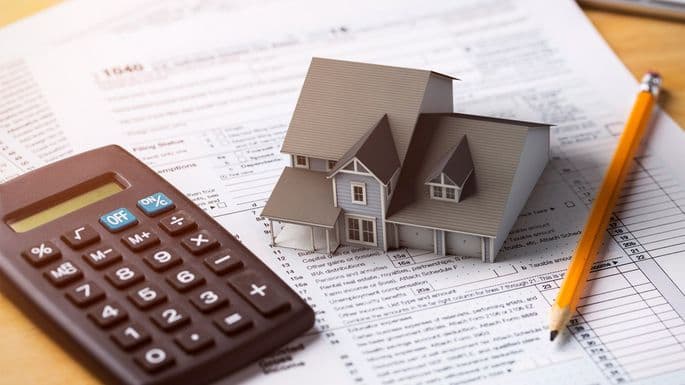
With the spread of real estate investment lately, everyone has heard of property taxes. And it’s known to be one of the most important taxes, but how is it calculated? And how does it differ from one property to another?
What Are Property Taxes?
Property tax is an annual tax levied on various types of real estate (residential, land, commercial properties, tourist resorts, factories, etc.). It is one of the oldest types of taxes in Jordan, imposed by municipalities, and is subject to Jordanian tax laws and their amendments.
Property tax is also collected by the Greater Amman Municipality and municipalities in the other governorates of the Kingdom. Typically, the tax is levied at the beginning of each fiscal year, and its proceeds fund local infrastructure services such as roads, lighting, and sanitation.
Who is Subject to Property Tax?
Property tax applies to all property owners, regardless of the type of property, including:
- Jordanians and non-Jordanians alike. Property ownership, not nationality, is the determining factor for tax liability. Therefore, a foreign investor or expatriate who owns an apartment in Amman or a villa in Aqaba is subject to the same tax as a Jordanian citizen.
- Owners and tenants in certain cases. While the owner is generally responsible for paying the tax, some commercial lease agreements transfer this obligation to the tenant according to the agreement between the two parties. Therefore, the contract terms should be carefully reviewed.
- Owners of vacant properties. The fact that a property is unoccupied or not being rented out does not exempt it from the tax, as the mere existence of the building within the municipal boundaries creates the tax liability.
How to Calculate Property Taxes
Property tax is determined according to several factors:
- Property location
- Building area
- Property type
And the percentage is as follows:
- 15% of the net appraisal of buildings
- 2% of the net appraisal of vacant land
Generally, the tax calculation for residential buildings is based specifically on the concept of "annual rental value," not the market value of the property. This distinction is crucial because market prices can rise sharply, while the rental value assessed by the municipality remains more stable.
The first step is for the municipality to determine the property's annual rental value, based on its location, size, type, and condition. This value is often lower than the actual market rent.
Tax Rate According to Property Type
Property’s Type | Property Tax Rate |
Residential (by the owner) | 5% – 7% of the rental value |
Residential (rented) | 10% – 15% of the rental value |
Commercial | 15% – 25% of the rental value |
As for vacant land, the property tax rate is the land area × the prevailing market price per square meter × 2%.
Note: These rates are subject to periodic updates and may vary from one municipality to another, so it is always advisable to check with the relevant municipality to confirm the rates in effect in your area.
Example 1:
Let's assume you own a residential apartment in Amman, the annual rental value of which is estimated by the Amman Municipality at 3,000 Jordanian dinars, and you rent it to a tenant:
- Annual rental value: 3,000 JOD
- Tax rate on rented housing: 15%
- Tax due: 450 Jordanian Dinars annually
If you live in the apartment yourself and the 5% rate applies to you:
- Tax due: 150 Jordanian Dinars annually
Example 2:
Let's assume you own a vacant plot of land measuring one dunam, and the market price per square meter is 30 Jordanian dinars. The tax would then be:
1000 x 30 x 2% = 600 dinars
Terms for Paying Property Tax
Due date: Property tax is due annually and is usually paid during the first half of the year. Municipalities issue periodic notices to property owners; however, failure to receive a notice does not absolve them of the legal obligation to pay, so it is advisable to follow up with the municipality proactively.
Payment Methods: Taxes can be paid in several ways:
- Directly visiting the municipality: This is the most common method, where the owner or their legal representative goes to the tax collection department in the relevant municipality.
- Online Payment: Through the Amman Municipality's digital portal or government payment platforms linked to some major municipalities.
- Power of Attorney: For foreign investors residing outside Jordan, a local legal agent can be authorized to handle payment procedures on their behalf.
Payment delays: Late payments are subject to interest rates determined by the municipality, and these fines can accumulate significantly if payment is neglected for consecutive years. In some cases, the municipality may seize the property or prevent its transfer of ownership until the tax debt is fully settled.
FAQs
1. How much does property tax cost in Jordan?
Property tax ranges between 5% and 25% of the estimated annual rental value of the property. The percentage varies depending on the type and use of the property; for owner-occupied residences, the rate ranges between 5% and 7%, for rented residences between 10% and 15%, while for commercial and industrial properties, the rate reaches 25%.
2. What is the new property tax system in Jordan?
The current system is based on an assessment of the property's annual rental value by the relevant municipality, not its market value, and the tax rate is applied accordingly.
3. What happens if I don't pay property taxes in Jordan?
Arriveed taxes incur fines and late payment interest that accumulate over time, and the municipality may seize the property or prevent its transfer of ownership until all outstanding payments are settled.
4. Are the property taxes the responsibility of the landlord or the tenant?
The legal principle is that the tax falls on the landlord. However, some commercial leases transfer this obligation to the tenant by prior agreement between the parties. Therefore, the lease terms should be carefully reviewed to determine who actually bears this cost.