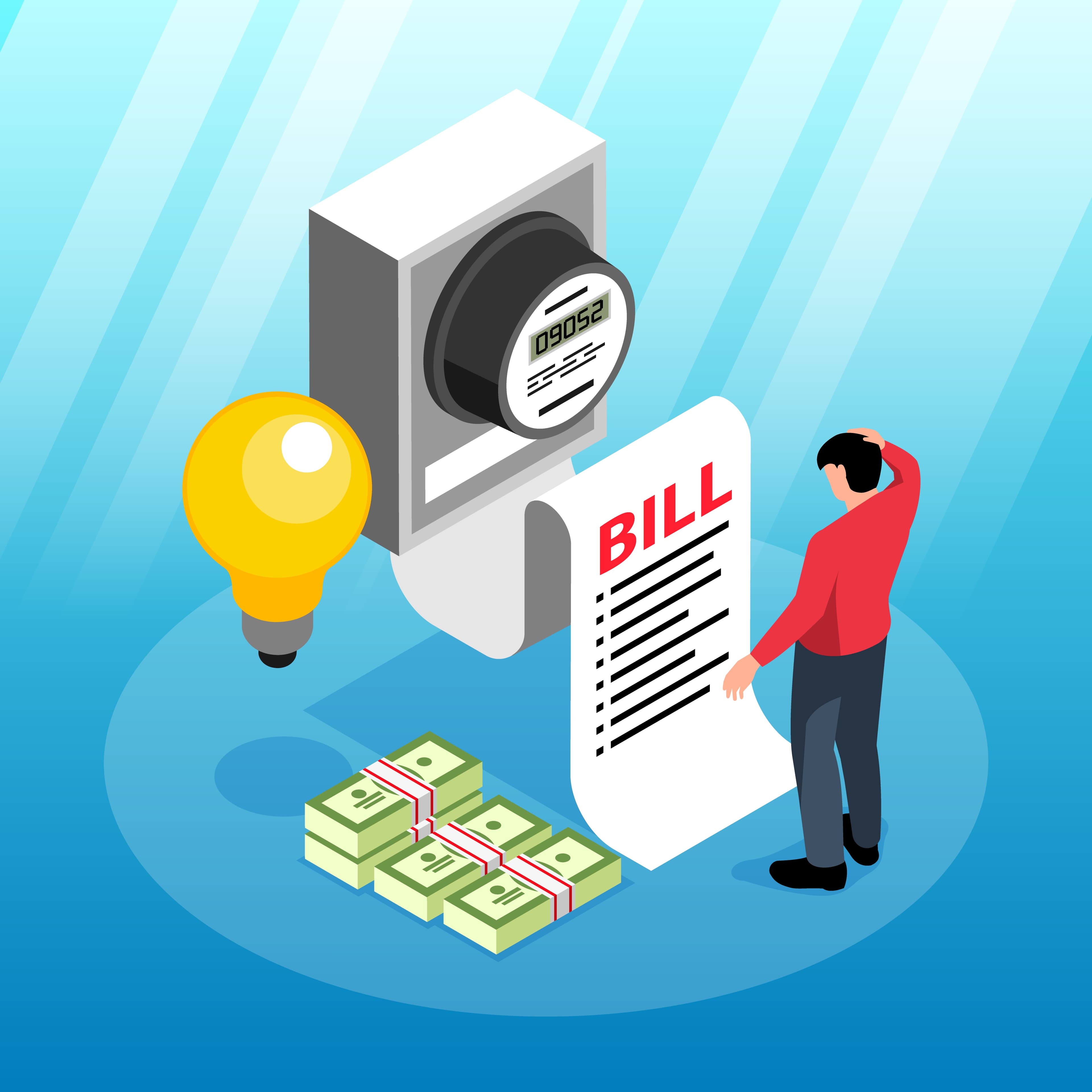
Electricity bills are a monthly expense that concerns many individuals and families in Jordan, especially with changing consumption patterns and increased reliance on electrical appliances in daily life. However, many are unaware of how to calculate their electricity bill or the correct way to determine their actual monthly consumption, which can sometimes lead to bill amounts appearing unclear or surprising.
In this blog, we will explain how to calculate your electricity bill, the factors affecting electricity consumption, and how to accurately determine your monthly consumption so that you can calculate your expenses correctly.
Electricity Consumption Tiers
The electricity company in Jordan uses a consumption tier system to calculate electricity bills. Monthly electricity consumption (in kilowatt-hours) is divided into several tiers, each with a different price. Simply put, the higher the electricity consumption, the higher the tier, and consequently, the higher the price per kilowatt-hour.
Household Consumption Tiers (Subsidized):
- 1-300 kWh per month: 5 piasters
- 301-600 kWh per month: 10 piasters
- Over 600 kWh per month: 20 piasters
Example:
Let's assume your monthly electricity consumption is 700 kWh. It is calculated as follows:
- 1-300 kWh: 5 piasters
- 30-600 kWh: 10 piasters
- 60-700 kWh: 20 piasters
In addition, remember that there is an unsubsidized electricity tariff:
- 1 - 1000 kWh: 12 piasters
- Over 1000 kWh: 15 piasters
How to Calculate Electricity Bill in Jordan
At the beginning, you have to know if your electricity tariff is subsidized or not, and then you calculate the price.
Example:
Let's assume your monthly consumption is 450 kWh, and you benefit from the subsidized tariff for Jordanian residents.
The calculation
1. First tier (1–300 kWh):
300 x 0.050 dinar = 15 JD
2. Second tier (301–450 kWh):
(450 − 300 = 150 kWh)
150 x 0.100 dinar = 15 JD
3. Total price: 15 + 15 = 30 JD
Electricity Bill Calculator
The value of the electricity bill can be calculated automatically through the electricity bill calculator on the Energy and Minerals Regulatory Commission’s website, where you enter your data (consumption rate, tariff, governorate, municipality, and meter type), and the calculator provides you with the value of your monthly bill.
Conditions Affecting the Electricity Bill
Electricity bills vary from month to month depending on several key factors. A high bill isn't solely determined by the tariff rate, but also by consumption patterns and how electricity is used within the home. The following are the main factors affecting electricity bills in Jordan:
1. Monthly Consumption
The more electricity you consume in kilowatt-hours (kWh), the higher your bill will be, especially when you move to a higher consumption bracket with a higher tariff.
2. Electricity Tariff Tiers
The tiered pricing system means that a portion of your consumption is charged at a higher rate once a certain threshold is reached. Therefore, even a small increase in consumption can lead to a significant rise in your bill.
3. Number of Electrical Appliances Used
An increased number of electrical appliances in your home, especially those that operate for extended periods, directly impacts your total monthly consumption.
4. High-Consumption Appliances
Appliances such as air conditioners, electric water heaters, ovens, and dryers are among the most energy-intensive appliances, particularly when used intensively.
5. Daily Operating Time
Even appliances with average consumption can result in a high bill if they are run for extended periods each day.
6. Energy Efficiency of Electrical Appliances
Older or less energy-efficient appliances consume more electricity than newer, energy-efficient appliances.
7. Seasonal Climate
Electricity consumption typically rises in the summer due to the use of air conditioners, and in the winter due to the use of heaters and electric water heaters.
FAQs
1. How is the electricity bill calculated in Jordan?
The electricity bill in Jordan is calculated based on the monthly consumption in kilowatt-hours (kWh) and the tariff type (subsidized or unsubsidized). Consumption is divided into tiers, and each portion of consumption is calculated according to the tariff of its respective tier. The values are then added together to obtain the total bill.
2. What is the difference between subsidized and unsubsidized electricity tariffs?
The subsidized tariff is for Jordanian households eligible for subsidies, and the price per kWh is lower. The unsubsidized tariff applies to those not benefiting from subsidies or to additional meters, and the cost of electricity per kWh is higher.
3. How can I determine my monthly electricity usage?
You can determine your monthly consumption by reading your electricity meter and comparing the current reading to the previous one, or by checking your electricity bill, where the consumption amount is typically displayed in kWh. You can also use the electricity bill calculator available on the Energy and Minerals Regulatory Commission's website.
4. Why is my electricity bill higher in some months?
Electricity bills often rise due to increased consumption, moving to a higher tariff bracket, or intensive use of high-consumption appliances such as air conditioners and heaters, in addition to the impact of climatic seasons and the length of time electrical appliances are operated daily.