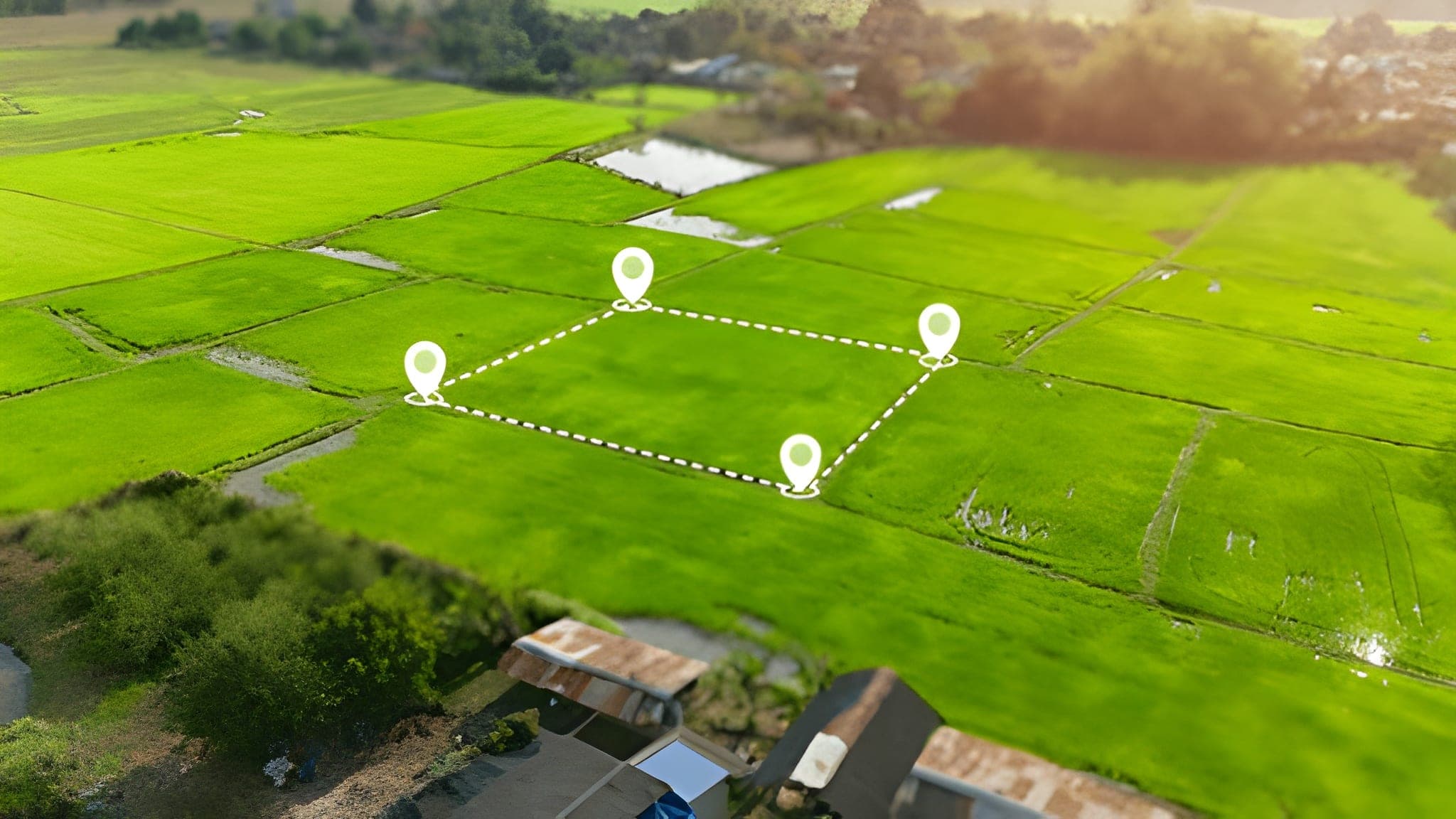
If you have ever considered buying or selling a piece of land, you’ve probably heard of “land appreciation,” which determines the profit or loss you’ll make when investing in the land. Before deciding to buy or sell, it's essential to understand how lands are priced and the factors that influence their appreciation and value.
What is Land Appreciation?
Land appreciation estimation is determining the value of a plot of land to arrive at a fair market value for the property, which depends on several factors, including area, location, and land type.
Factors Affecting Land Value
- Location: Location plays a key role in determining the value of land, especially if it is close to services or has a distinctive view.
- Area: Area is a direct factor in calculating the total value, as the value increases with area.
- Land type: Land value may vary based on its planned use (residential, commercial, or agricultural).
- Market conditions: Land value is affected by current supply and demand in the real estate market.
- Land improvements: The value of any improvements made to the land, such as buildings or infrastructure, is added.
Why Does Land Increase in Value?
Many may wonder: Why are land prices rising? The answer can help you determine the right time to buy or sell land.
1. Supply and Demand
Supply and demand are among the most critical factors influencing land prices as follows: When the number of land available for sale (supply) is less than the number of buyers (demand), land prices rise directly.
2. Economic Factors
Economic factors such as GDP growth, unemployment, and the increasing purchasing power of individuals and investors increase demand for land, which automatically increases its prices.
3. Location and Population Growth
The land’s location plays a significant role in determining its price and market value. Typically, lands close to services, schools, and shops command a higher price. Also, the growing population in cities increases demand for residential and commercial land, especially in urban areas, driving up prices.
4. Improving Infrastructure
Infrastructure development and real estate projects, such as new roads, transportation, hospitals, and schools, help increase land values and demand.
5. Taxes
Government laws and regulations related to taxes affect land prices. Some measures may increase costs for investors, which in turn affects the selling price.
How to Calculate Land’s Value?
There are many ways to determine the land’s value, among which are:
1, Market Comparison Method
- Search for similar lands (in location, area, and use) that have recently been sold.
- Calculate the average price per square meter.
- Multiply the price per square meter by the land area.
Example:
A neighboring land of 500 m² was sold for 150,000 JDs
Price per square meter = 150,000 ÷ 500 = 300 JDs per square meter
If your land is 600 m² → Estimated value = 600 x 300 = 180,000 Jds
2. Income Calculation Method
- Used if the land generates income (such as parking rentals or billboards).
- Value = Net Annual Income ÷ Required Rate of Return
Example:
Annual rental income from the land = 10,000 JDs
Expected rate of return = 8%
Estimated value = 10,000 ÷ 0.08 = 125,000 JDs
When and Where to Invest in Lands for Long-term Appreciation?
Investing is a strategic choice with long-term results, which is why it's important to know when and where to invest before buying.
When to Invest in Lands?
The ideal time to buy land for long-term profit is during a market downturn or economic recession, when prices are at their lowest. The ideal time to sell is when growth accelerates in the area surrounding your property.
- Before infrastructure projects: Land values increase significantly when new projects such as highways, bridges, or public transportation systems are built.
- Zoning changes: If there are indications that zoning laws in a particular area will change from agricultural to residential or commercial, purchasing land at this time can be very profitable.
Where to Invest?
Location is the most important factor in determining future land value. Areas with high long-term land value have certain characteristics.
- Areas near major cities: Land located on the outskirts of major cities typically sees significant increases in value as the city expands.
- Areas experiencing population growth: Increased demand for housing and services in an area leads to increased land value.
- Areas near development projects: If there are plans to develop shopping centers, universities, hospitals, or airports, the surrounding land will increase in value.
FAQs
1. Can I estimate the value of my land myself without consulting an expert?
You can get a preliminary estimate by comparing the prices of similar lands in the same area, taking into account factors such as location, area, and use. However, to obtain an accurate and reliable value, it is recommended to consult a certified real estate appraiser.
2. Does the infrastructure surrounding the land affect its value?
Yes, the presence of paved roads, sewage networks, electricity, and nearby service facilities (such as schools and hospitals) significantly increases the value of the land, while the price decreases in areas that lack these services.
3. How often should the value of the land be reassessed?
It is recommended to reassess the land every one to three years, or when major changes occur in the area, such as the establishment of new projects or a change in real estate demand.